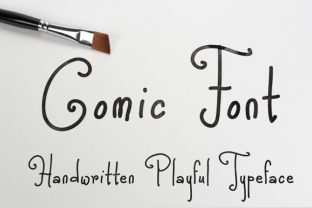
Comic Font for Editorial Design
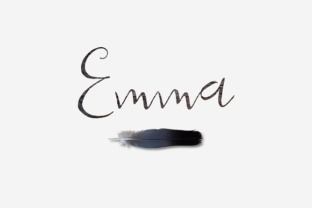
It was a quiet afternoon, the kind where the hum of a coffee machine and the soft glow of a screen are the only sounds. I was redesigning a lifestyle blog header, searching for a font that could balance personality with clarity. Comic, the script handwritten font created by Darwinoo, felt like the right choice. Its fluid curves and expressive strokes brought a sense of warmth and approachability to the page, making it ideal for a brand that wanted to feel both professional and personable.
Comic for Lifestyle Blog Headers and Brand Identity
Comic is a script handwritten font that carries a casual yet refined energy. It’s not overly ornate, but its natural flow gives it a handcrafted quality that feels inviting. For a lifestyle blog, this makes it an excellent choice for headers, subheaders, and section titles. The font’s rhythm allows it to stand out without overwhelming the reader, which is essential when building a publication identity that needs to be both memorable and readable.
When used in blog headers, Comic adds a touch of personality that can help differentiate a brand from more generic, sans serif-heavy sites. It works particularly well for content that leans into storytelling, such as personal essays, travel journals, or wellness guides. The font’s softness also helps create a visual contrast against more structured layouts, making it a valuable tool in editorial design.
Comic for Recipe Ebooks and Printable Guides
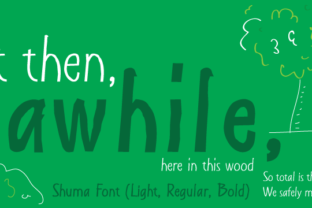
Recipe ebooks and printable guides often require fonts that are easy on the eyes, especially when readers are scrolling through pages or printing them out. Comic, while a display font, can still serve as a strong title font in these formats. Its legibility at larger sizes makes it suitable for chapter headings, ingredient lists, or instructional steps, provided it’s paired with a more traditional font for body text.
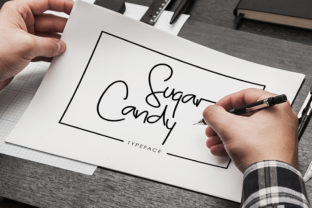
For a printable planner or worksheet, Comic can be used for section labels, dates, or decorative accents. Its handwritten style adds a personal touch that can make a digital product feel more curated and thoughtful. However, it’s best to avoid using it for long paragraphs or dense information, as the font’s stylistic elements can reduce readability in smaller sizes.
Comic for Wedding Guides and Elegant Branding
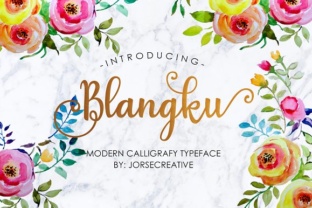
Wedding guides and elegant branding materials often rely on fonts that convey sophistication without being too formal. Comic fits this niche perfectly. Its script style brings a sense of charm and authenticity, making it ideal for invitations, program designs, or promotional materials. When used in moderation, it can add a subtle flair that elevates the overall aesthetic without overshadowing the message.
For a wedding guide, Comic can be used in headings, pull quotes, or section titles to highlight key moments or tips. It pairs well with serif fonts for body copy, creating a balanced look that feels both modern and timeless. This combination is especially effective in print materials, where the font’s texture and flow can enhance the tactile experience of the document.
Comic for Coaching Workbooks and Digital Magazines
Coaching workbooks and digital magazines often require a mix of structure and creativity. Comic can be used to introduce sections, emphasize key takeaways, or add a personal touch to content. Its expressive nature makes it a good fit for motivational language, affirmations, or reflective prompts, helping to engage readers on an emotional level.
In digital magazines, Comic can be used for pull quotes, cover text, or graphic elements that draw attention. Its readability at larger sizes ensures that it remains legible across different devices and screen sizes. However, it’s important to test the font in various formats—especially when exporting to PDF or print—to ensure that it maintains its intended look and feel.
Comic for Newsletter Graphics and Social Media Copy
Newsletters and social media graphics benefit from fonts that are visually engaging but not distracting. Comic can be used in newsletter headers, callout boxes, or social media captions to add a friendly, approachable tone. Its handwritten style gives it a human element that can resonate with audiences looking for a more authentic connection.
When used in social media graphics, Comic can help create a cohesive brand voice that feels consistent across platforms. It works well with clean, modern typography for supporting text, allowing the font to shine as a decorative element rather than a primary text font. This balance is key to maintaining visual harmony while still standing out in a crowded digital space.